The Standard
We think of 7AI more like a Michelin three star restaurant than a software or cybersecurity company.
Three stars is not about being better than the restaurant down the street. It is a private, almost obsessive commitment to craft, where every plate matters, every detail matters, and every interaction with a guest matters. Nobody at that level competes with the place next door. They compete with their own last service. There is a sign in our Boston office that says exactly this, a gift from a friend of the company, because we would not stop talking about it.
Why does a security company talk like this? Because AI is making software easier to build every month. Code is no longer the differentiator. What cannot be commoditized is consistency, quality, and how people feel when they work with you. The best restaurants in the world have understood this for a century. We intend to be the first company in security that does.
Every company says it has high standards. Almost none define them where you can check. So here is ours.
Every interaction with 7AI, however small, should be the best experience that person has with any company that week.
Any interaction. A demo, a bug report, an invoice, a booth conversation, a rejection email to a candidate. Any company. Not the best security vendor. The best anything. That sentence is deliberately checkable: after every interaction, someone either felt that or they did not. The seven principles below are how we hit it, and each comes with real examples, because a principle we cannot explain with an example is either a principle we do not understand or one not worth having.

The plate, still. The room, moving.
Seven principles. One standard.
The bar is set outside our industry.
We compare ourselves to the best service experiences in the world, not to other security vendors.

Here is the trap in enterprise software: every vendor in a category benchmarks against the other vendors in that category. Same sales stages, same training, same QBR templates, same follow-up cadence. When everyone measures against each other, the whole category converges on mediocre, and calls it best practice.
So we measure against something else. When we ask ourselves whether an interaction met the standard, the reference point is the best experience the other person has had anywhere. The hotel that remembered. The restaurant that researched its guests before they arrived. The service that fixed the problem before it was reported. If a three star restaurant would be embarrassed by how we just handled something, we should be too.
This is not a metaphor we trot out for keynotes. It is the actual question we ask in reviews: would the best service organization in the world have done it this way? Usually the answer is uncomfortable. That is the point of asking.
The QBR exercise
Our sales QBRs have included a standing exercise: share the best experience you have ever had with any vendor, in any industry. Not security. Anything. Then we ask what it would take for a customer to tell that story about us. The answers set the quarter's bar, and the bar never comes from a competitor's playbook.
Send the car
The internal shorthand for this principle is a question borrowed from the world's best restaurants: how do they treat someone on the wait list? They send a car. A customer needs to be at an event? Figure out the plane. The specifics vary. The instinct, do the thing a great host would do rather than the thing a vendor would do, does not.
Service is leadership at every level.
Whoever is closest to the guest leads in that moment, whatever their title. Nobody owns a customer relationship. Everybody does.

In a three star kitchen, there is no role too junior to protect the guest's experience. The person polishing glasses holds the same standard as the chef, and has the same authority to stop a plate that is not right. Leadership there is not a title. It is proximity plus responsibility.
That is how we run 7AI. There is no department whose job is to care about customers so the rest of us do not have to. Engineers sit with customers. Finance thinks about customer experience. Marketing answers technical questions at the booth. If a customer is stuck, it is our problem, whichever team we sit on, and the person who noticed is the leader until it is resolved.
And we do not have leads. We have guests. Someone who fills out a form on our website is a person walking into the dining room, not a record entering a funnel. Our inbound team is built on that premise: greet, seat, host. The difference is visible in the first five minutes, and guests notice.
"You made me feel heard"
After a demo, a security leader told our team something no feature comparison will ever produce: the meeting made them feel heard. Not impressed. Heard. That prospect became a champion, and the lesson became internal canon: the demo is a service moment before it is a product moment.
The inverted QBR
Our quarterly business review does not open with what sales owes the company. It opens with what sales needs from the rest of the company to serve customers. Engineering, marketing, finance, and product sit in that room as the supporting cast. Inverting the question changed the entire conversation, because it puts the person closest to the guest in charge of the agenda.
Details are the standard.
There are no small interactions. The bar lives in the last two percent that everyone else skips.
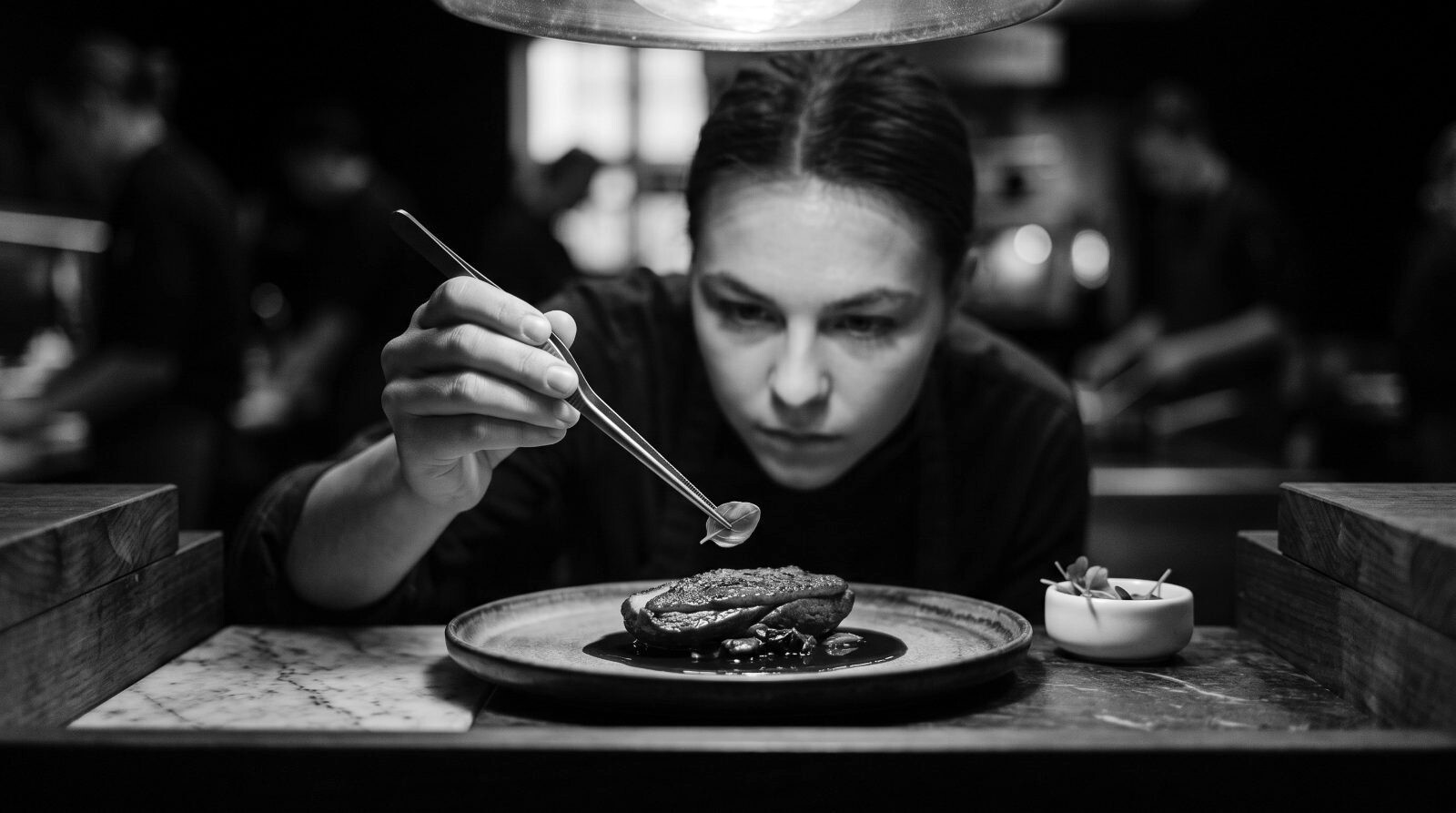
A three star rating is not earned by the signature dish. It is earned by the ten thousand details that surround it: the temperature of the plate, the timing of the water refill, the way the room resets between seatings. Any one of them, done badly, is what the guest remembers.
We hold the same belief about company-building. The quality of a t-shirt we hand out at a conference. The subject line of a follow-up email. How plainly a bug is described when we acknowledge it. Whether the case study loads fast on a phone. None of these is anyone's headline metric, and every one of them is a moment where someone decides what kind of company we are.
If a detail feels too small to matter, that is usually the exact place the standard is decided. Most companies stop at good enough. The last two percent is expensive, unscalable, and mostly invisible. It is also the entire difference between two stars and three.
The t-shirt test
Our CEO uses t-shirt quality as a standing example of the standard. If we would not wear it ourselves, we do not print it. It sounds trivial until you realize the same logic governs everything with our name on it: if the smallest branded object gets obsessive care, nobody has to ask how much care the platform gets.
The win that came from everywhere
After closing one of our most competitive deals, the account team's retrospective did not credit a feature or a price. It credited attention to every detail, at every level of our team, matched to every level of the customer's team. The deal was won in the seams: the prep, the follow-ups, the small accommodations nobody asked for. That retrospective is now how we define done for major pursuits.
Speed is respect.
Responding fast and shipping fast is how you show someone they matter. Days, not quarters.

Slowness in enterprise software is treated as a fact of nature. It is not. It is a choice, made by companies whose structures were designed before the tools we have existed. We are an AI-native company. The old standards for how long things take were set by people who did not have what we have, and we do not get to borrow their excuses.
Speed matters here because of what it communicates. Answering a customer in minutes says: you matter. Shipping the fix this week says: we heard you. Making a decision today says: your time is worth more than our process. Waiting is what you make guests do when you have decided they are not important.
This only works because everything else in this document is true. Flat structure means decisions do not queue. Ownership means nobody waits for permission. AI-native operations mean the machine work happens at machine speed. Speed is not heroics. It is a design decision.
Day three
A newly hired engineer sat with a customer in their first week, heard a need, and shipped the improvement that afternoon. Not a hotfix. A capability the customer had asked for. That story circulates internally not because it was exceptional, but because it is the loop working as designed: customer pain to shipped improvement in 24 to 72 hours.
Seven days to live
Deployment takes seven days, not the six-month implementation slog the industry trained buyers to accept. That number is a service commitment before it is a technical achievement: it says we will not make you wait months to find out whether we were telling the truth.
Good ideas come from everywhere.
The best idea wins no matter whose it is: any team, any title, and sometimes a customer.
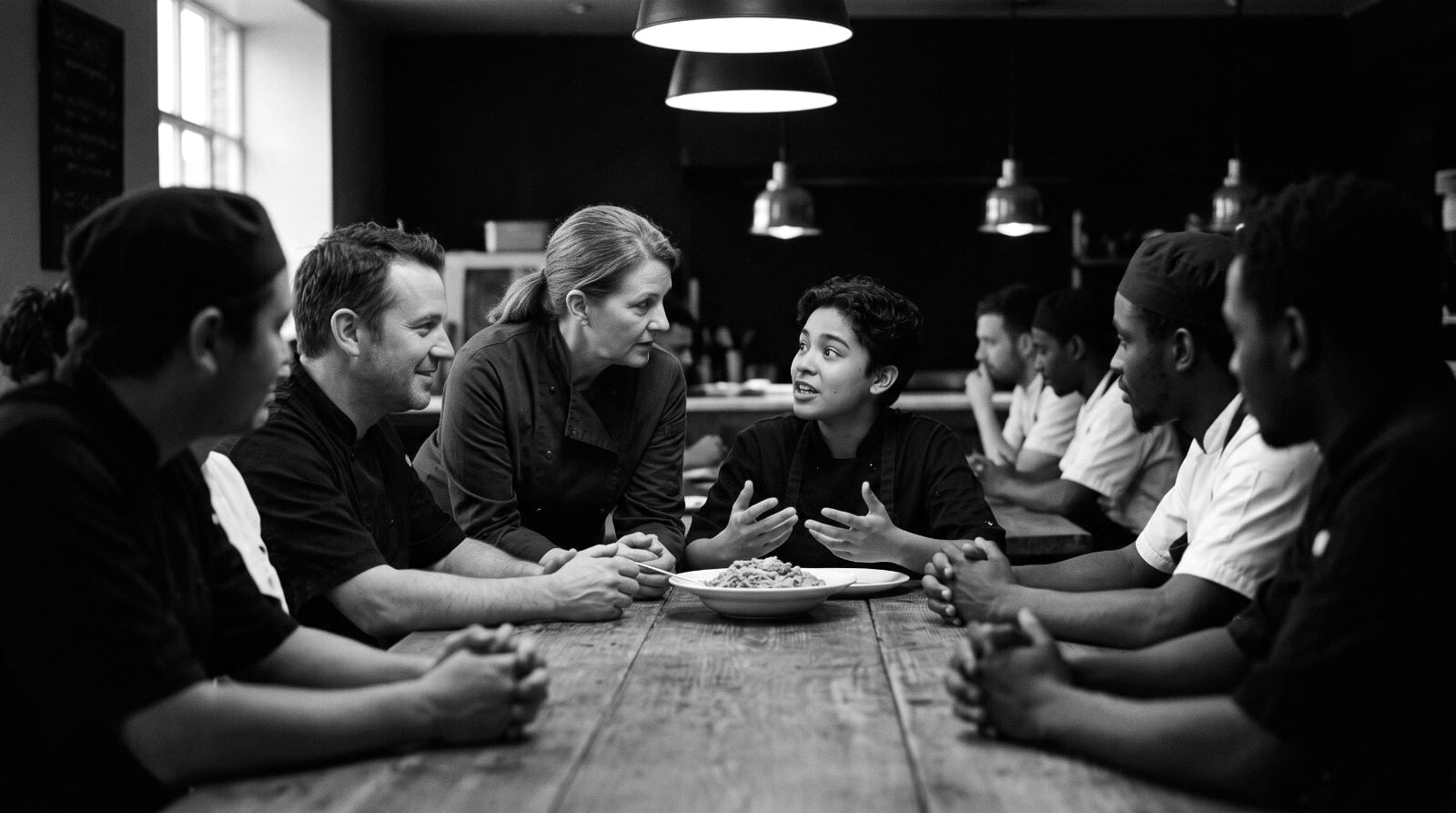
Most companies route ideas the way they route expense reports: up the chain, across the org chart, into a backlog. By the time an idea reaches someone who can act on it, it has been diluted by every layer it passed through, and the person who had it has learned to stop having them.
We are structured so that cannot happen. No more than three layers anywhere in the company. Everyone works directly with customers, so everyone sees real problems firsthand. And the whole company watches the work: demos are open, roadmap conversations are open, and challenging an idea is a contribution, not an act of insubordination.
The rule that makes it work: ideas are evaluated on merit, never on origin. A marketer can push a product decision. An engineer can reshape how we sell. A customer can design a capability with us. The org chart describes accountability. It does not describe where thinking is allowed to happen.
The Friday demo
At one of our open Friday engineering demos, a leader from a completely different function saw an early capability and pushed to accelerate it for an upcoming analyst briefing. Wrong department, wrong lane, and exactly the right call. The feature shipped ahead of the briefing. In most companies that idea dies of politeness somewhere between two VPs' calendars.
Customer zero
Our first customer did not just buy the platform. They helped design it, pressure-tested it against their real security operation, and shaped what it became. We did not treat their input as feedback to triage. We treated it as engineering. The habit stuck: some of the best ideas in the platform walked in through the front door.
Own the outcome.
Extreme ownership, funded with real autonomy. "That's not my job" does not exist here.

Extreme ownership means the outcome is yours. Not the task, not the ticket, not your slice of the process. The outcome. If you see the standard slipping, you are the leader in that moment, whatever your title says, and walking past a problem is the same as approving it.
Ownership without resources is a slogan, so we fund it. Every person at 7AI has a monthly budget to create an exceptional experience for a customer, with no approval chain. A guest needs to get somewhere? Send the car. A moment deserves marking? Mark it. We trust first and verify after, because you cannot deliver three star service if every plate requires permission.
The other half of ownership is owning the misses. Decisions made in good faith that turn out wrong are how the standard learns. What we do not accept is the opposite trade: hiding behind process, waiting to be told, or being technically-not-wrong while the guest's experience fails.
The budget
The monthly experience budget was not a perk designed by HR. It came from a QBR discussion about what extreme ownership actually requires, and the answer was capital. Every owner in the company, which is everyone in the company, has the means to act on the standard without asking. We would rather audit generosity after the fact than ration it in advance.
Nobody's job, everybody's job
When a customer issue surfaces in a channel at 9 PM, the person who sees it first responds, whether they are in support, engineering, or marketing. Not because a policy says so, but because handing a stuck guest to "the right team" in the morning is a two star move. Escalation here means bringing people in, never handing the problem off.
When we miss, we say so.
We admit misses plainly, fix the system that caused them, and never lower the bar.
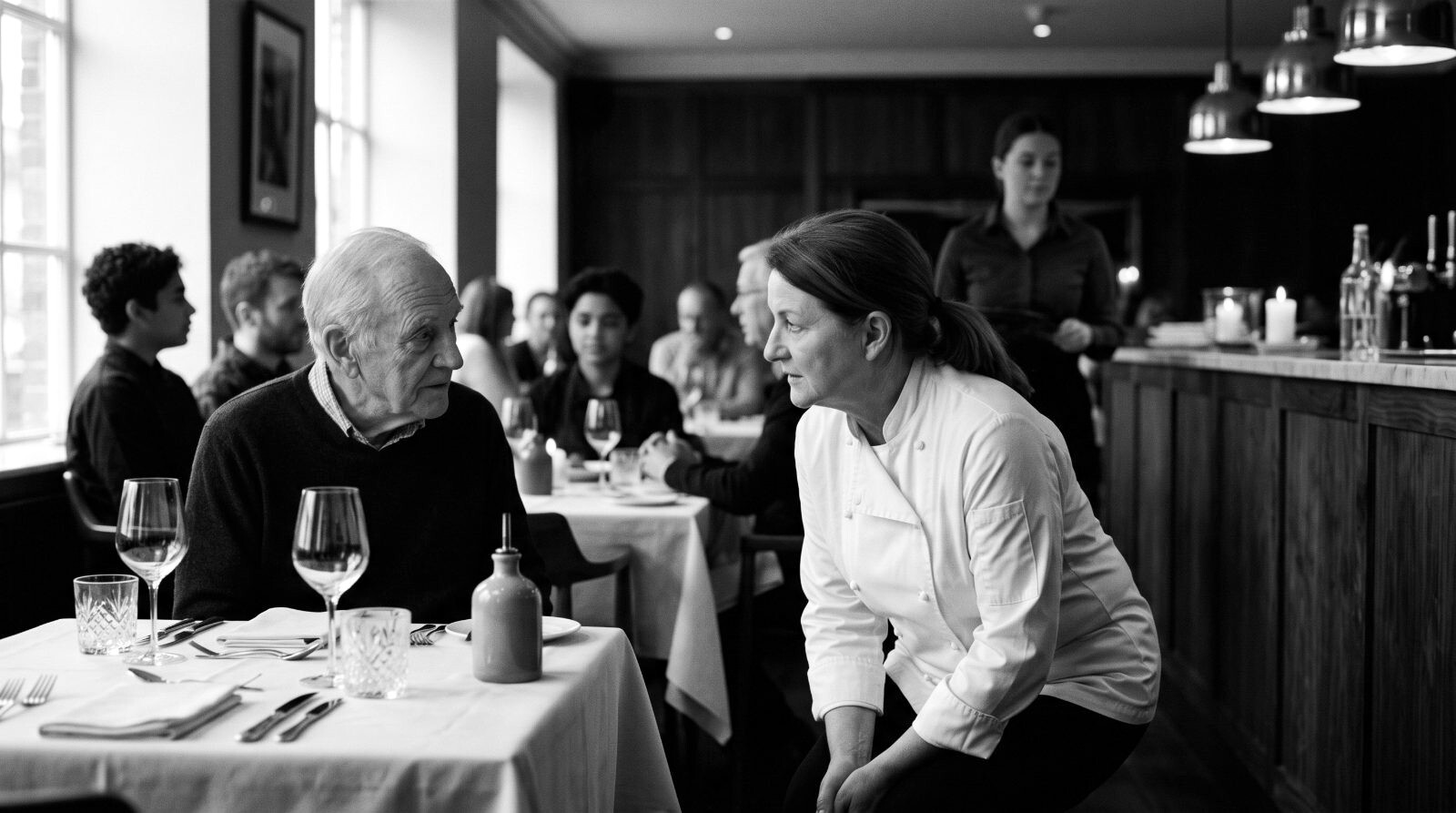
The standard is hard to meet. That is the point of having one. We will miss it, and a culture document that pretended otherwise would fail its own first principle. What defines us is not a perfect record. It is what happens in the first hour after a miss.
First, we say so. Plainly, to the customer and to each other, before they discover it themselves, without spin and without the passive voice that companies use to make failures authorless. Then we fix the miss. Then we fix the system that produced the miss, because a miss that only gets patched will happen again wearing a different shirt.
The one thing we never do is lower the bar. A standard you relax under pressure was never a standard. It was a preference. If we keep missing, the answer is to get better, not to redefine hitting it. Our CEO has said this in almost exactly these words: do not lower the standard because it is difficult to meet. Difficulty is what makes it a standard.
The bug acknowledgment
When a customer reports a problem, the first message back is a plain description of what went wrong and what happens next, in language a human would use. No ticket-speak, no "working as intended," no defensiveness. How a company behaves in its worst moments is the most honest page of its brand guide.
The postmortem question
Every miss review ends with the same question: what about how we work made this miss possible? Not who slipped, but what allowed the slip. Blame produces hiding, and hiding is fatal to a standard, because a standard only works if misses surface fast enough to fix.
Do Human Work.
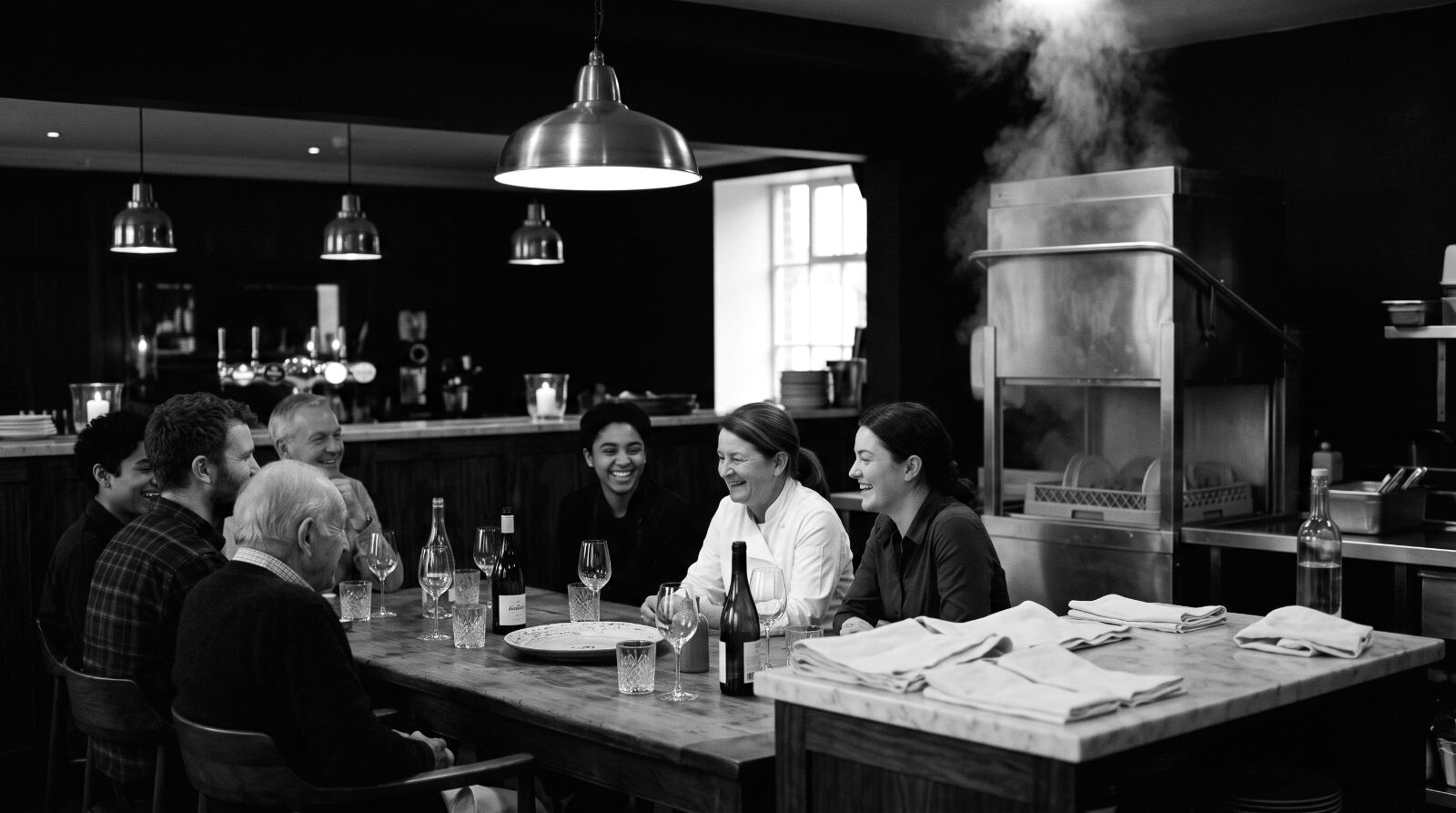
Everything above serves one mission. We build AI agents that free security teams from non-human work: the triage, the correlation, the machine-scale grind that burns out brilliant people. AI agents do that work at machine speed, with humans on the loop, so people can do the work only people can do.
We hold ourselves to the same rule. Inside 7AI, AI does the machine work everywhere it can, and we treat that as table stakes. What we keep for ourselves is the human work: judgment, taste, and care. The standard itself is human work. No model can decide what excellent feels like. That is the craft, and the craft is why we exist.
And the time this buys has a purpose. It goes to customers, to the people we love, and to the communities we live in. We are building a company that gives people their time back. It would be strange to build it by taking ours away.
This place is not for everyone.
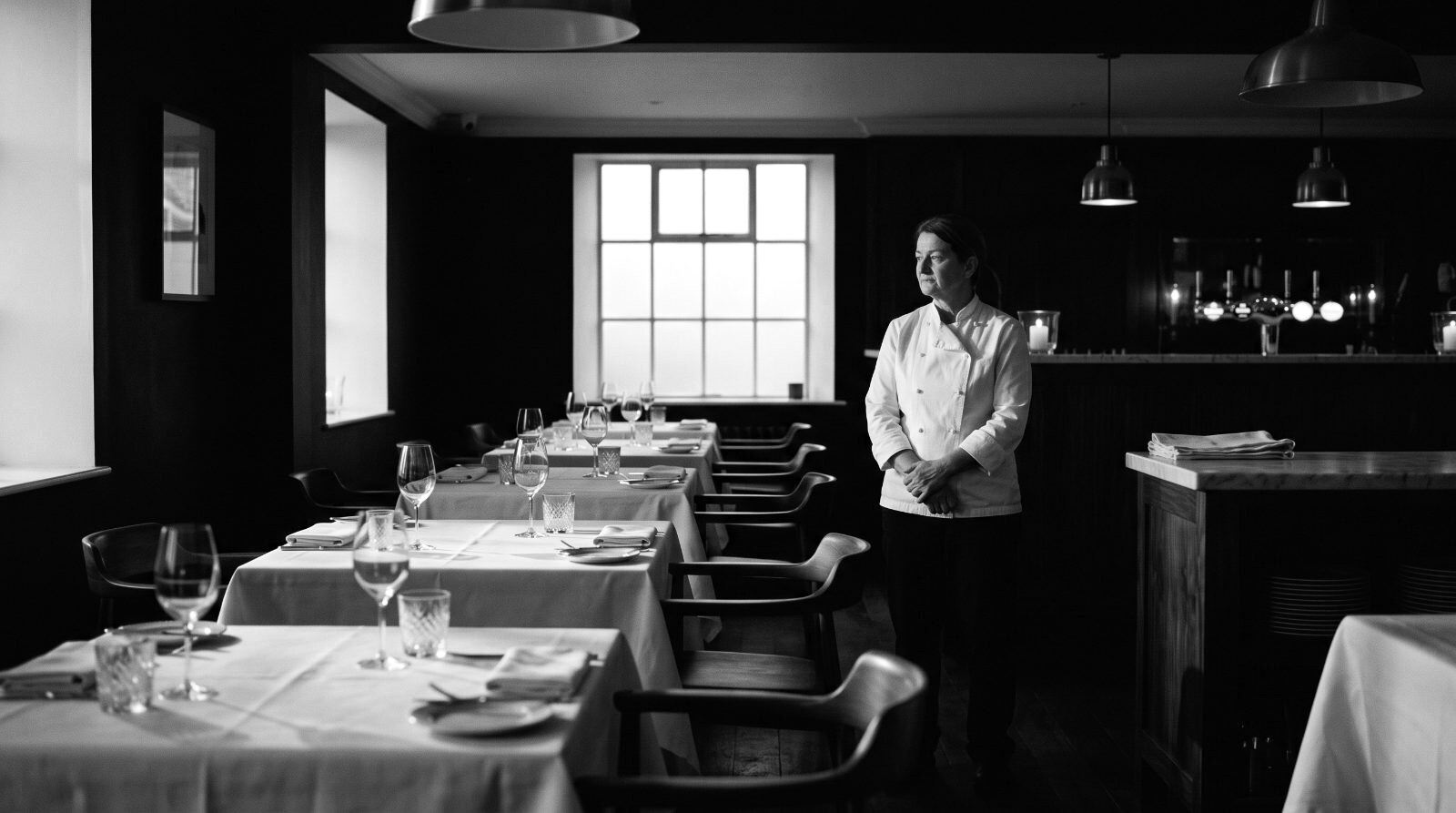
We want to be transparent about what the standard costs. The pace is real, and we do not apologize for it. The bar does not flex, which is exhilarating on some days and exhausting on others. Three layers means your work is visible and your ownership is personal, with no process to point at and no committee to blame. And there is no role at 7AI where the guest is somebody else's problem, including yours.
If you read this and felt tired, that is useful information, and we would rather you learn it now than six months in. No hard feelings. Truly.
If you read this and something clicked, if you have been looking for a place where the details matter, the ideas win on merit, and the bar does not move, we should talk.
The Standard, v1.0 · July 2026 · Written by the 7AI team, argued over like everything here. This document will change, because the standard requires that we keep getting better at living up to it.